

An Interview With Professional Dog Groomer Dayna in Johns Creek
- Posted: December 2, 2025
- By: happydog
- Category: Uncategorized
- Comment: 0
Matting is one of the most common coat problems groomers see—especially when cooler weather arrives and dogs are kept fluffier for warmth. To help pet parents understand why matting happens and how to prevent it, we sat down with professional groomer Dayna, who shared her insights, winter care tips, and the importance of regular maintenance.
Below is our conversation.
Q: Dayna, why do dogs tend to become more matted in the winter?
Dayna:
“When the temperatures drop, most owners like to keep their dog’s coat longer. It looks cute and helps keep them warm. But that longer coat tangles more easily, especially in curly or textured breeds like doodles and poodles.
When brushing becomes inconsistent, those tangles turn into mats—especially in high-friction areas like behind the ears, under collars, the armpits, legs, and tail.”
Q: What problems can severe matting cause?
Dayna:
“Matting isn’t just cosmetic—it’s physically uncomfortable. Tight mats pull at the skin and can trap moisture and dirt. Severe matting can even restrict circulation.
When a dog with a severely matted coat has to be shaved, the blood rushes back into those areas and can cause a pins and needles sensation, just like when your foot falls asleep. It’s uncomfortable for the dog and highlights why regular maintenance is so important.”
Q: When is shaving necessary for a matted coat?
Dayna:
“If mats are mild, we can often brush them out safely. But when they’re dense, tight, or close to the skin, shaving becomes the only humane choice. My number-one priority is always the dog’s comfort—never forcing painful dematting.”
Q: How often should dogs be groomed in winter?
Dayna:
“In the winter months, when you want to keep a pup’s coat longer, grooming every four to six weeks is ideal. That timing keeps their coat manageable, clean, and healthy without losing length. Waiting longer greatly increases the risk of matting—especially for doodles.”
Q: What if a full groom every month isn’t affordable?
Dayna:
“That’s exactly why Stacy and I created our Brush-Out Package — not only to help clients maintain healthy coats but also to offer an affordable option that keeps dogs comfortable between full grooms.
The package includes 12 brush-out sessions, each lasting 10 minutes, but you only pay for 10 sessions. It’s a great value, especially for doodles and long-haired breeds that need frequent maintenance.
Even better, it’s a convenient walk-in service. You can use the brush-outs:
-
During a daycare stay
-
On a quick walk-in visit
-
Between full grooms
-
Anytime your pup needs a coat refresh
Regular mini-maintenance like this dramatically reduces the risk of matting and keeps your dog’s coat healthy, shiny, and manageable.”
Q: What can dog owners do at home to prevent matting?
Dayna:
“I always share three simple rules:
– Use proper tools:
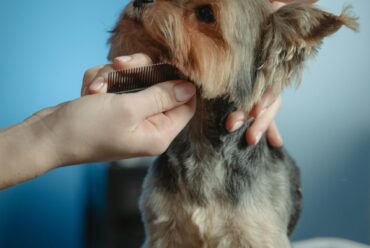
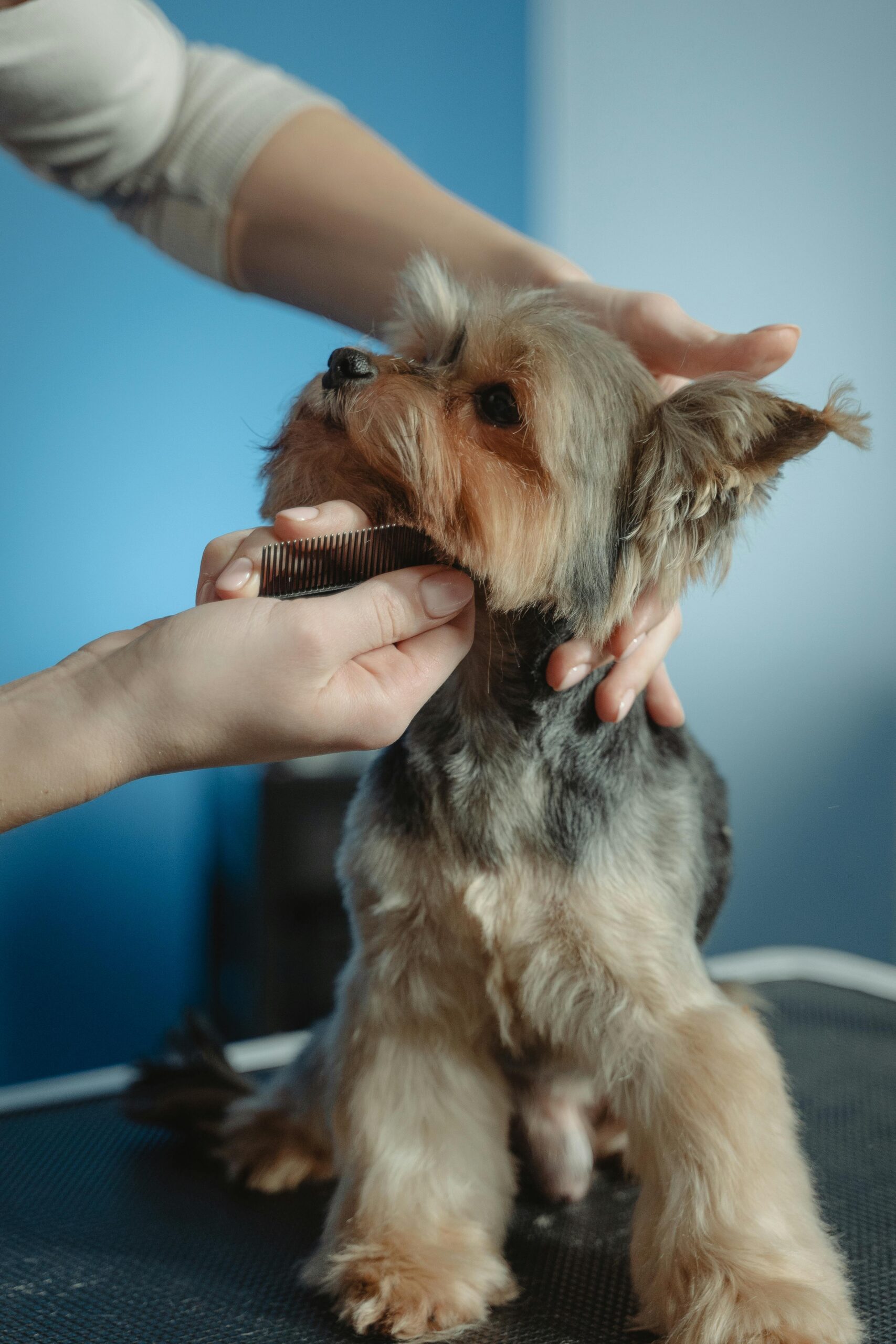
A slicker brush and metal comb are essential for long-haired and curly-coated breeds.
– Brush in layers:
Start at the skin and brush outward in sections—not just the top layer.
– Keep up with bathing:
Clean coats tangle less. But remember: brushing before and after a bath is key to preventing new mats.”
Final Thoughts From Dayna
“Matting happens, and it’s nothing to feel embarrassed about. What matters is learning what your dog’s coat needs and working with your groomer as a team.
A little maintenance goes a long way—especially in the winter when dogs are extra fluffy.”
Book your dog grooming session in Johns Creek today and check out our latest dog grooming reviews here.







No Comments